SPACE TRAVELERS
2015
Projects
Winter lasts six months in Russia, and nature is frozen. Following its laws, the human being is as if anaesthesised or lethargic, neither asleep, nor awake. This feeling of the infinite cold void surrounding you produces both Russian frustration, and Russian dreaminess. Voyages to distant places and flying in the sky are among the most favorite and important Russian dreams.
Sometimes it seems that the farther you run, drive, fly, the better: “…from Moscow to Nagasaki, from New York to Mars.” The idea to reach outer space appeared in other lands too, but it is in Russia with its snow-covered fields where it evolved into a philosophical and theoretical trend in its own right—Russian Cosmism.
SPACE TRAVELERS
light installation Dedicated to Nikolay Fedorov
Winter lasts six months in Russia, and nature is frozen. Following its laws, the human being is as if anaesthesised or lethargic, neither asleep, nor awake. This feeling of the infinite cold void surrounding you produces both Russian frustration, and Russian dreaminess. Voyages to distant places and flying in the sky are among the most favorite and important Russian dreams.
Sometimes it seems that the farther you run, drive, fly, the better: “…from Moscow to Nagasaki, from New York to Mars.” The idea to reach outer space appeared in other lands too, but it is in Russia with its snow-covered fields where it evolved into a philosophical and theoretical trend in its own right—Russian Cosmism.
Russian Cosmists, and Nikolay Fedorov, first and foremost, believed that people will eventually learn to fly, to cover tremendous distances and to overcome the weight of there body, they’ll learn to restore lost organs, to live forever, and to remain young. More than that, they thought that all people who lived on our planet will be resurrected one day! For mankind will have to spread, settling other worlds, exploring space, to breathe life into other planets of the solar system or of the galaxy.
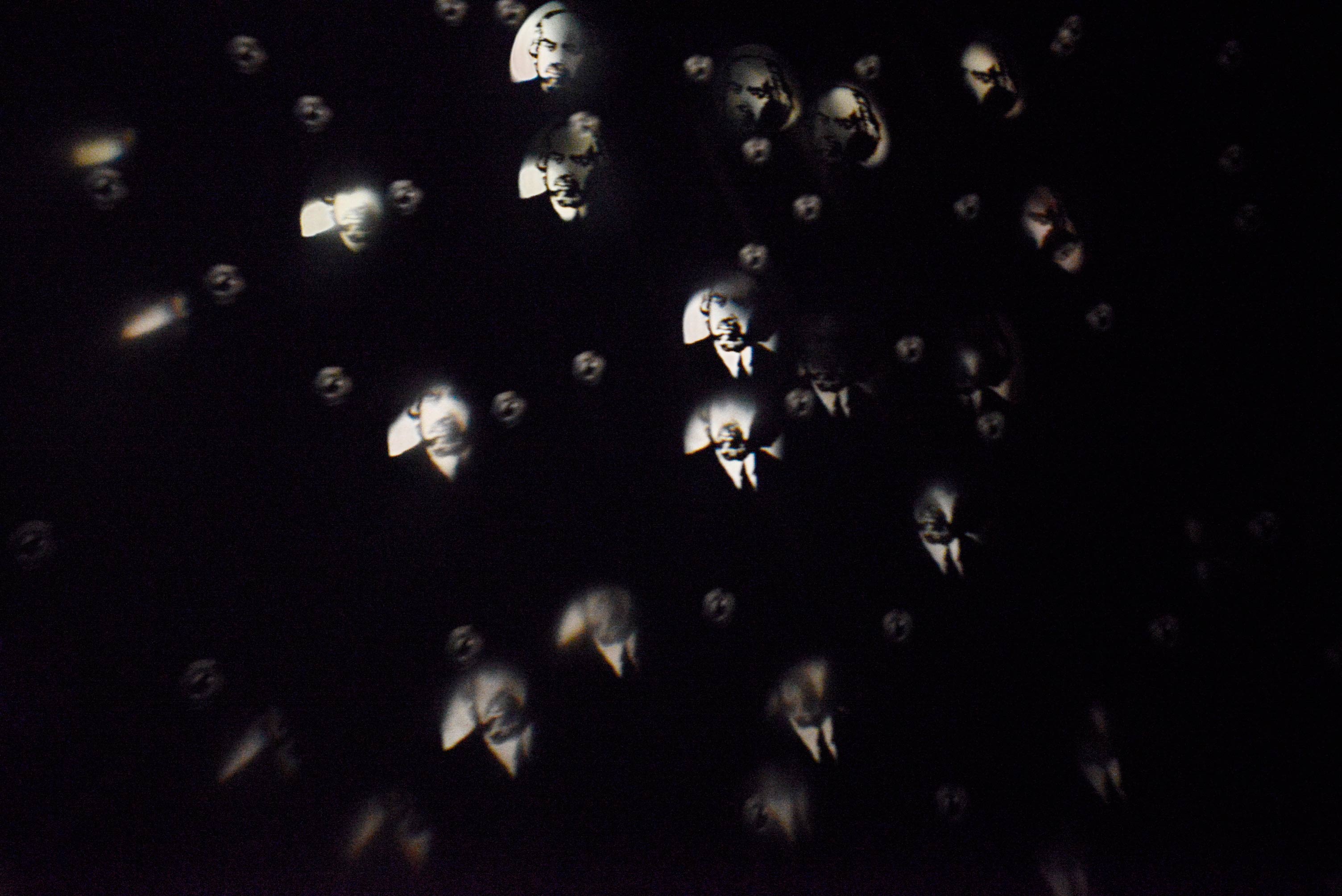
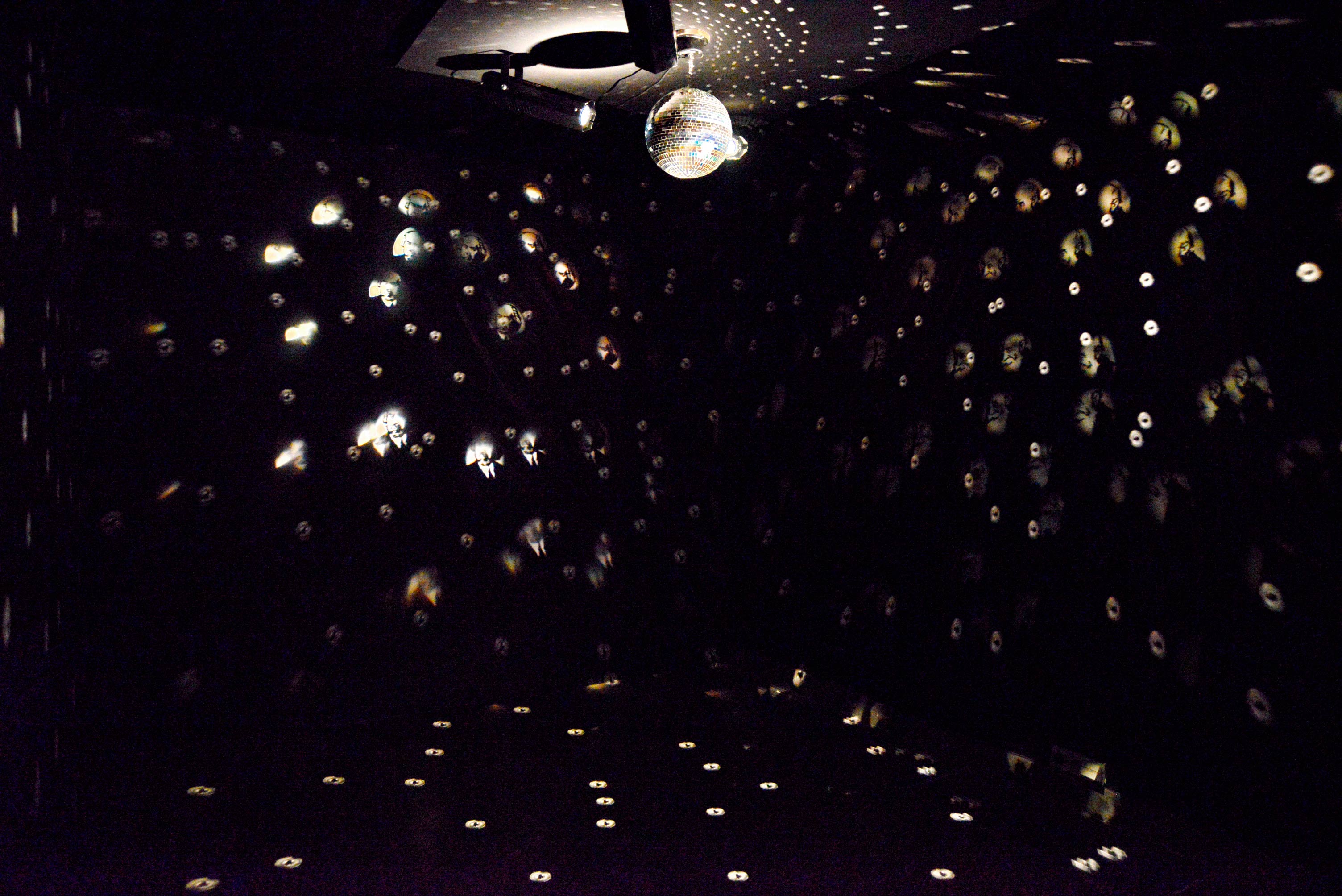
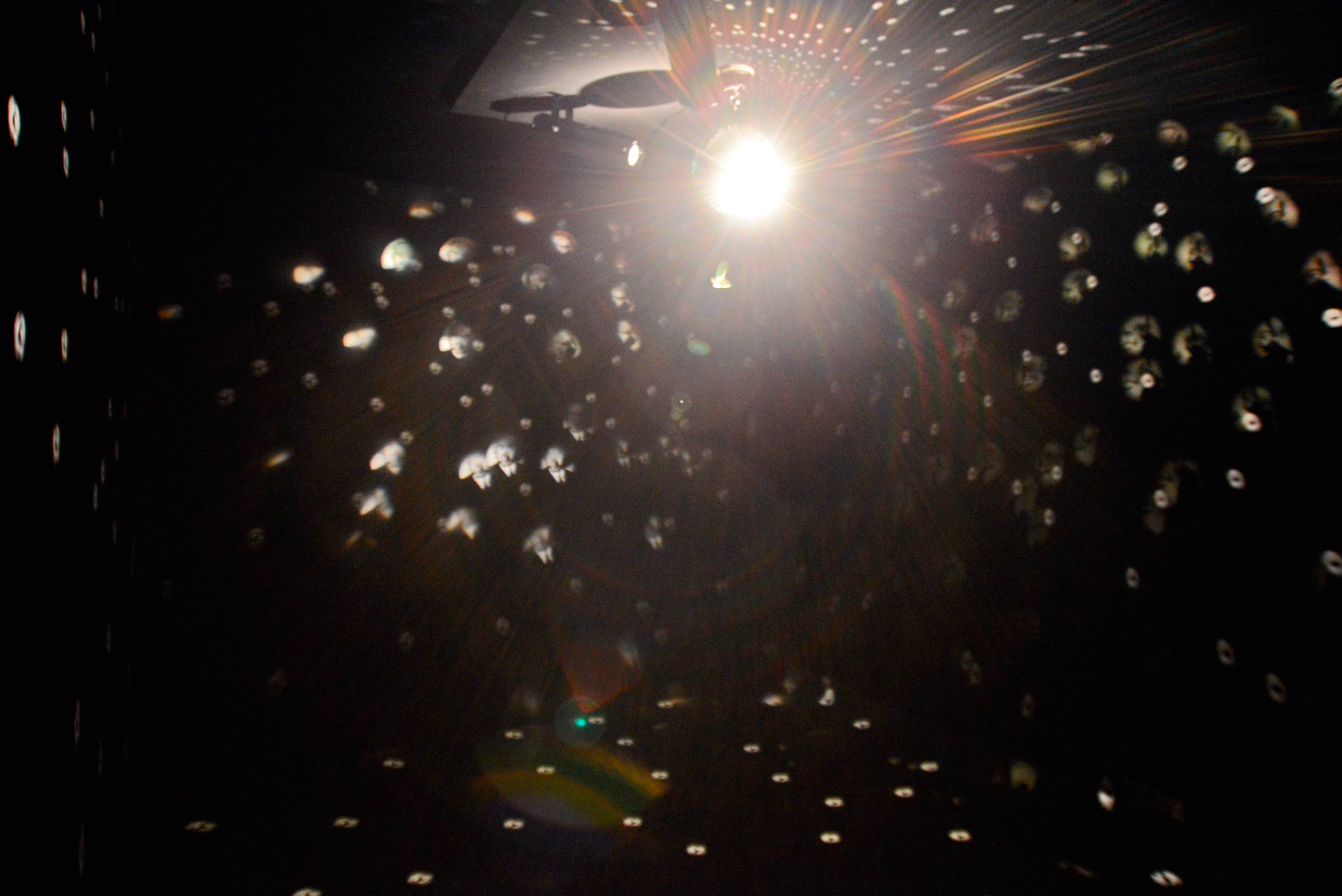
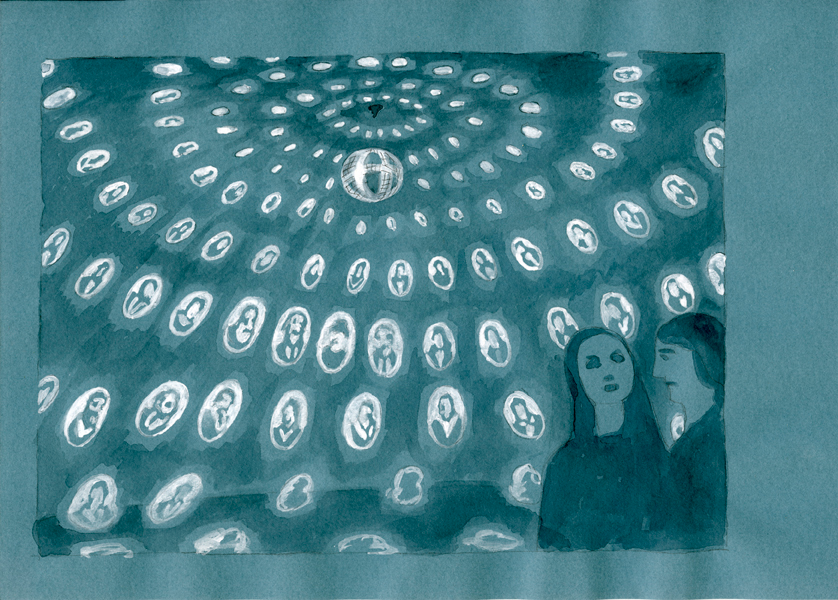
A mirror ball is rotating under the ceiling of a dark hall. Images of space travelers looking into space out of round illuminator windows are projected onto the ball. The characters selected for these roles are the pioneers of space expiration - Russian Cosmism philosophers N. Fedorov, K. Tsiolkovsky, P. Florensky, V. Solovyov, and others. The rotation of the ball sets the images in motion on the walls of the dark hall, and space travelers disperse in the vast Universe.
Festive choir of the Alexander-Svirsky monastery. A cappella. 1) Christ is Risen (Byzantine chant); 2) It is worth eating. Tsar Theodore.